Three Trends That Will Shape Cities in 2025


Three Trends That Will Shape Cities in 2025

Happy New Year! I hope everyone has had a restful holiday season. We have some exciting things planned for Urbaneer in the new year, but to kick things off, let's take a look at three trends that are going to shape cities in the coming year:

1. Pandemic Preparedness

I won’t pretend to be an infectious disease expert. But bird flu (H5N1) seems to be lurking as human cases begin to pop up, and norovirus outbreaks are also surging across the country.

Whether either of these turns into another COVID-style epidemic remains to be seen, but both stand as stark reminders that cities should enter 2025 with a focus on ensuring they are prepared to be resilient in the face of future major public health events.

Regardless of whether bird flu achieves pandemic levels, its hard to imagine a world where another outbreak of some kind isn’t in the cards at some point in the coming years. The cities that do the work to be ready in advance will be the ones that survive and thrive in its aftermath.

Arguably the single most important step for cities and metropolitan regions will be prepping public K-12 school ventilation to allow for “business as usual” as much as possible. And there’s no reason to wait: improved air quality in classrooms has been shown to greatly improve average test scores.

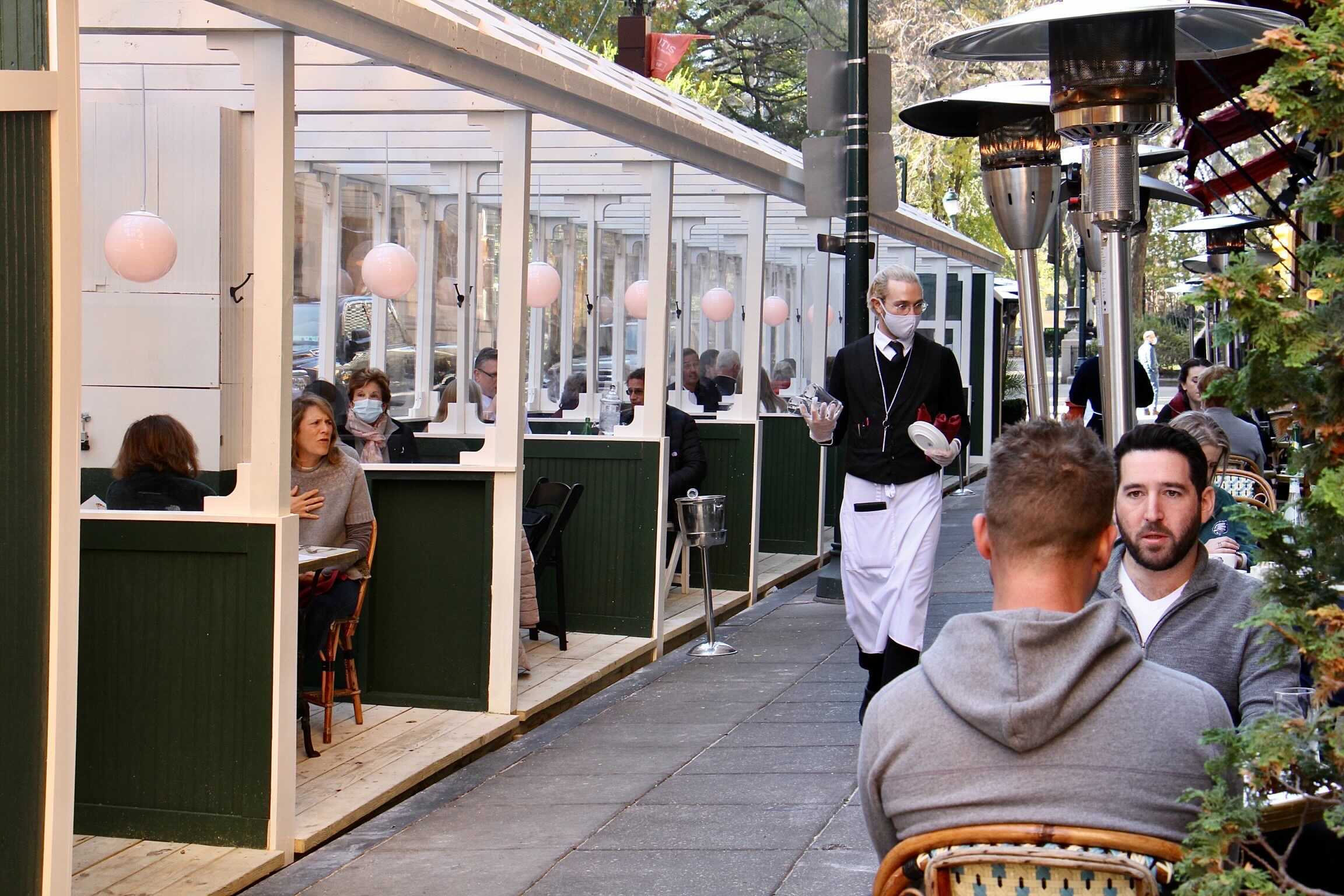
Improving and expanding access to outdoor gathering spaces such as parks and outdoor dining spots will also be critical to ensure both dine-in options to sustain local restaurants and create ways to gather safely outdoors more broadly.

The cities that prepare are the cities that will make it.

2. Response to the Urban Migrant Crisis

The migrant crisis led to surging numbers of homelessness across American cities in 2024. The incoming Trump administration has pledged to make tackling this issue, through mass-scale deportations, one of its signature agenda items in the coming months and years.

The full effects of what this will mean and look like remain to be seen, but here are several items and potential trends to monitor:
​

  • Legal battles between blue cities/states and the administration over sanctuary city status and restricted federal funding for cities that fight deportation efforts
  • Will the administration’s response to the migrant crisis make the perception of urban safety more positive (decreased homeless presence, perceived or actual reduction in urban criminal activity), or more negative (increased police presence, etc.)?
  • Impact on urban and regional labor markets, particularly in construction and service industries, if mass deportations are enacted
  • How do cities pivot and reallocate resources that were previously being allocated to the migrant crisis response?

What will increased federal law enforcement presence in urban areas mean for urban policing and law enforcement in terms of resourcing, practices, etc.?

3. Stadiums, Stadiums, and More Stadiums

The seemingly never-ending string of new stadiums will continue across the country in 2025 for both professional and collegiate sports teams and leagues.

  • Las Vegas, Tampa Bay, Chicago will all face stadium questions for their current or prospective Major League Baseball teams.
  • Salt Lake City will be building a stadium in hopes of luring one of their own.
  • Construction will continue on CPKC Stadium in Kansas City, the first stadium built specifically for a professional women’s soccer team.
  • Colleges like the University of Missouri and University of Central Florida will both undergo $90M+ renovations to their college football stadiums as part of the never ending arms race that is NCAA Division 1 football.
  • The Chicago Bears and the City of Chicago will continue to deliberate whether the Bears’ future is at a renovated Soldier Field or a new home in the suburbs.
  • The Cleveland Browns will also pursue a new domed stadium in Brook Park, Ohio.
  • Cities like Nashville and Charlotte both stand as candidates to receive relocated or expansion Major League Baseball teams, which would create the need for a stadium.

The trend to monitor will be whether cities continue to write blank checks to appease and retain their teams, or if more cities will be willing to risk bidding their teams adieu in the name of protecting state and municipal tax dollars to the tune of hundreds of millions.


More from Urbaneer:

​Urbaneer Conference: Interested in learning more about the Urbaneer conference? Submit your email here and you'll be added to our waiting list to receive information about dates, locations, ticket pricing, speakers, and more!
​
​Learn Urbanism OS: I created a free dashboard of urbanism content across a variety of mediums: Twitter/X accounts, books, podcasts, YouTube channels, and more. While I'm sure there are some folks I've managed to leave out, it is a great starting place to learn the "who's who" of urbanism to immerse yourself in the conversation. Click here to access Learn Urbanism OS!

urbaneer

Learn something new every week about the trends shaping cities and the built environment. Join 700+ city nerds looking to stay in the know about planning, transportation, housing, urban innovation, and more.

Read more from urbaneer

Friday Five: Speed Regulators, Air Taxis, and YIGBY Happy Friday! Here's what we're reading this week: What We're Reading This Week: Virginia Becomes First State to Mandate Speed Limiters for Reckless Drivers Virginia has passed a first-in-the-nation law allowing judges to require speed-limiting devices for drivers caught going over 100 mph. The intelligent speed assistance (ISA) technology caps how fast a car can go using GPS and mapping data. Supporters say it’s a smart, scalable tool to...

Friday Five: Abundance, Innovation, and Map Designs Happy Friday! Here's what we're reading this week: What We're Reading This Week: What the “Abundance” Movement Means for Transportation A growing faction of technologists and policy influencers is rallying around “abundance” as a new vision for infrastructure—one that emphasizes more of everything: more housing, more transit options, more highways, more airports. This abundance mindset has entered urban policy debates, especially around...

Friday Five: Trains, Cameras, and Traffic Happy Friday! Here's what we're reading this week: What We're Reading This Week: Where Hydrogen and Battery-Powered Trains are Coming to US Commuter Rail A growing wave of battery-electric and hydrogen fuel cell trains could reshape American rail travel. Several U.S. transit agencies are testing these low-emission alternatives to diesel locomotives, aiming to cut carbon footprints and operating costs. California and the Northeast are leading the...